THERE ARE THREE GENERAL TYPES OF CANNABINOIDS:
- Phytocannabinoids that occur in the Cannabis plant
- Endogenous cannabinoids produced naturally in most animal species including humans.
- Synthetic cannabinoids compounds produced in a laboratory. Forms of synthetic THC are available by prescription in a number of countries, including the US. In the US, marketed as Marinol®.
COMMON TYPES OF PHYTOCANNABINOIDS
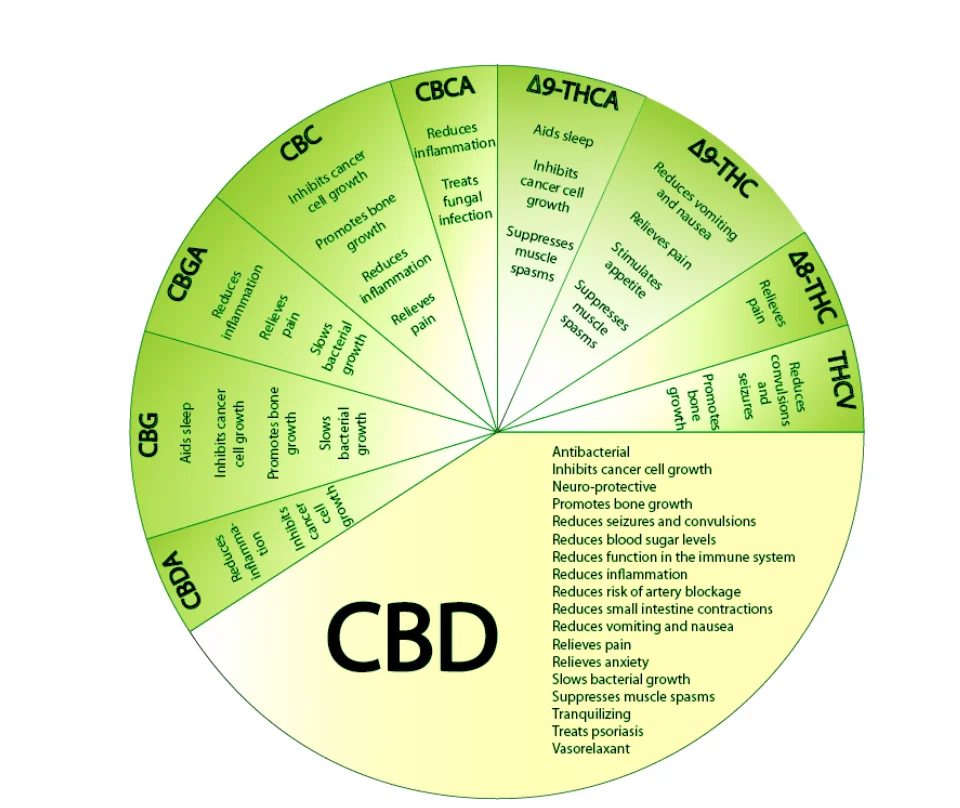
Tetrahydrocannabinol (THC) and Cannabidiol (CBD) are the most common types of cannabinoids in marijuana. While THC has psychoactive properties ordinarily associated with marijuana, CBD is the calmer alternative that offers relief from pain, anxiety, inflammation and psychosis. CBD has also been identified as potential treatment for an array of illnesses like cancer, epilepsy, arthritis, chronic pain, PTSD, and other neurological disorders.
Tetrahydrocannabinolic Acid (THCA) is the main component in raw cannabis. It prevents the spread of malignant cells, suppresses muscle spasms, and contributes to cannabis’ anti-inflammatory effects
Tetrahydrocannabivarin (THCV) is a minor cannabinoid found only in a few strains of cannabis. It produces very different effects from THC, from seizure reduction to promotion of bone growth.
Cannabidiolic Acid (CBDA) is similar to THCA as the main component in cannabis with high CBD levels. It contributes to cannabis’ anti-inflammatory effects and inhibits cancer cell growth.
Cannabichromene (CBC) is commonly found in tropical cannabis strains. It is thought to be superior to THC an CBD in its antifungal and antibacterial activity and contributes to cannabis’ anti-inflammatory and cancer-reducing properties.
Cannabigerol (CBG) is a non-psychoactive cannabinoid. It is known to be a potent anti-bacterial that prevents tumor and cancer cell growth. As it is the biosynthetic precursor to THC, CBD, and CBC, the body will covert CBG to another cannabinoid.
Cannabinol (CBN) is usually found in aging cannabis and increases the effect of THC. It has a greater effect on the immune system as it has three-times the affinity for CB2 receptors, increases testosterone production, is an anti-convulsant too.
THE ENDOCANNABINOID SYSTEM
Endocannabinoids naturally occur in humans and have similar molecular structure to herbal cannabinoids. They regulate many essential physiological functions.
Our bodies are specifically designed to produce and accept cannabinoids. Receptors located in the endocannabinoid system facilitate communication between cells to promote homeostasis of the body.
CB1 Receptors:
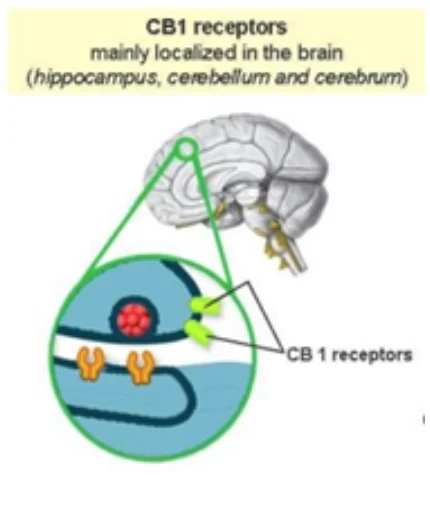
- Found throughout the brain, central nervous system, connective tissues, gonads, glands, and related organs. This is one reason that consumption of cannabis strains and plants containing a high amount of THC result in a relatively potent effect, giving patients significant relief from pain, nausea, or depression while delivering a strong euphoria to lifestyle users. Significant efficacy is gained by those undergoing chemotherapy and patients suffering conditions involving inflammation, like arthritis and lupus
- CB1 receptors are not present in the part of the brain that regulates heart rate and respiration, therefore there is no lethal dosage threshold for THC, allowing patients to consume as much needed for palliative care.
CB2 Receptors:
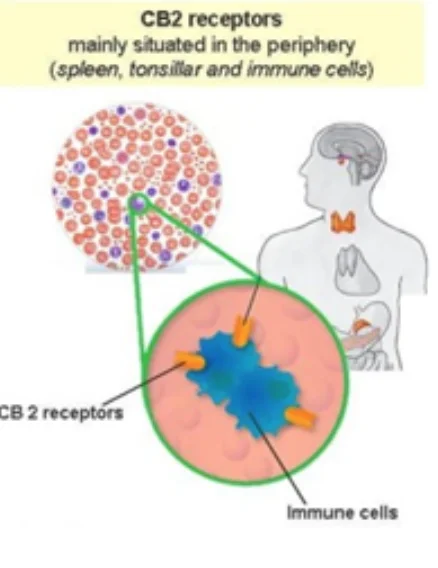 CB2 receptors, on the contrary, are located throughout the immune system and related organs, like the tissues of the spleen, tonsils, and thymus gland. They are also common in the brain, although they do not appear as densely as CB1 sites and are found on different types of cells.
- CB2 sites are also found in greater concentrations (density) throughout the gastrointestinal system, where they modulate intestinal inflammatory response. This is why Crohn’s disease and IBS gain such great relief from cannabis medicine.



























































Good afternoon Guys! It's been a minute, no doubt we've been extremely busy negotiating and... Show more 1 week ago